
Windows Server often handles large amounts of data, so volumes can outgrow their original size quickly. When you try to extend such a volume in Disk Management, you may see this error:
“The volume cannot be extended because the number of clusters will exceed the maximum number of clusters supported by the file system.”
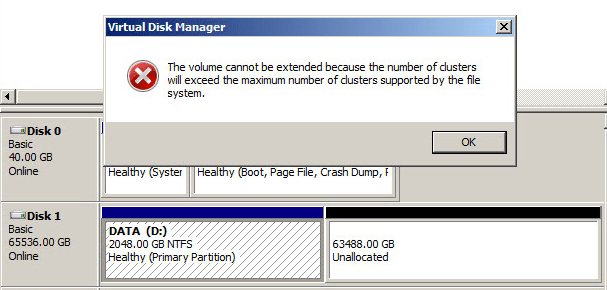
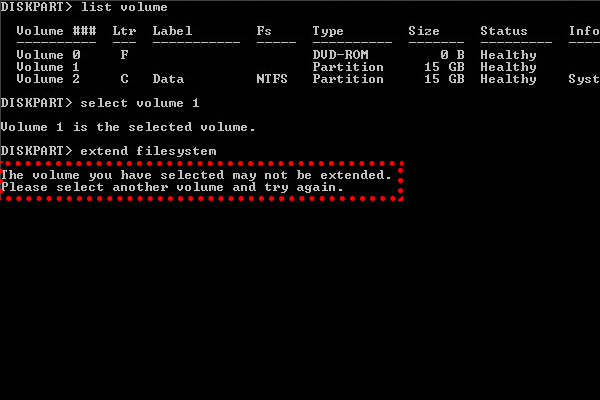
What does it mean, and how can you extend partition Windows Server successfully? This post explains the cause and the best solutions.
Quick Video Guide:
What Does “The Volume Cannot Be Extended” Mean?
This error occurs when the requested volume size requires more clusters than the file system supports. The limit depends on the volume size, cluster size, file system, and Windows version.
For NTFS volumes, smaller cluster sizes require more clusters. If the cluster count exceeds the supported limit, Windows cannot extend the volume even when additional disk space is available.
How to Extend Partition Windows Server Freely
When Disk Management is unable to extend Windows Server caused by cluster size number limit, usually we have two options to address this issue, and they are:
- Change Cluster Size Before Extend Partition
- Extend Partition Directly in Partition Wizard
Please double check if there is enough free space available on the partition because changing cluster size requires a lot of free space when there are numerous files stored. Generally, free space is required to be at least one-third of the data volume, and the more the better. If there is not enough free space, it is recommended to extend partition directly in MiniTool Partition Wizard.
Let’s talk them one by one in detail. Please finish reading before you take a way to solve “The volume cannot be extended because the number of clusters will exceed the maximum number of clusters supported by the file system.”
Change Cluster Size Before Extend Partition
To adopt the first way, we need to change Server cluster size first. This is what matters, for you had better find a way to change cluster size without bringing any data loss. (We believe that you are seeking for a way to safely extend instead of going for data-destroying formatting and recreation.)
And here we strongly recommend using partition manager server to change Server cluster size safely.
MiniTool Partition Wizard is regarded as the best partition magic alternative that can be used to manage hard drives on Windows PC and Windows Server. With clear interface and easy to follow instructions, all operations can be carried out without any doubts.
To change cluster size Windows Server, first of all, you need to purchase a valid license. Press the button below to get the full edition.
MiniTool Partition Wizard DemoClick to Download100%Clean & Safe
Now follow the simple guidelines below to extend partition Windows Server.
Step 1. After installation, double-click the desktop shortcut to launch this server partition magic and get it registered with your license code.
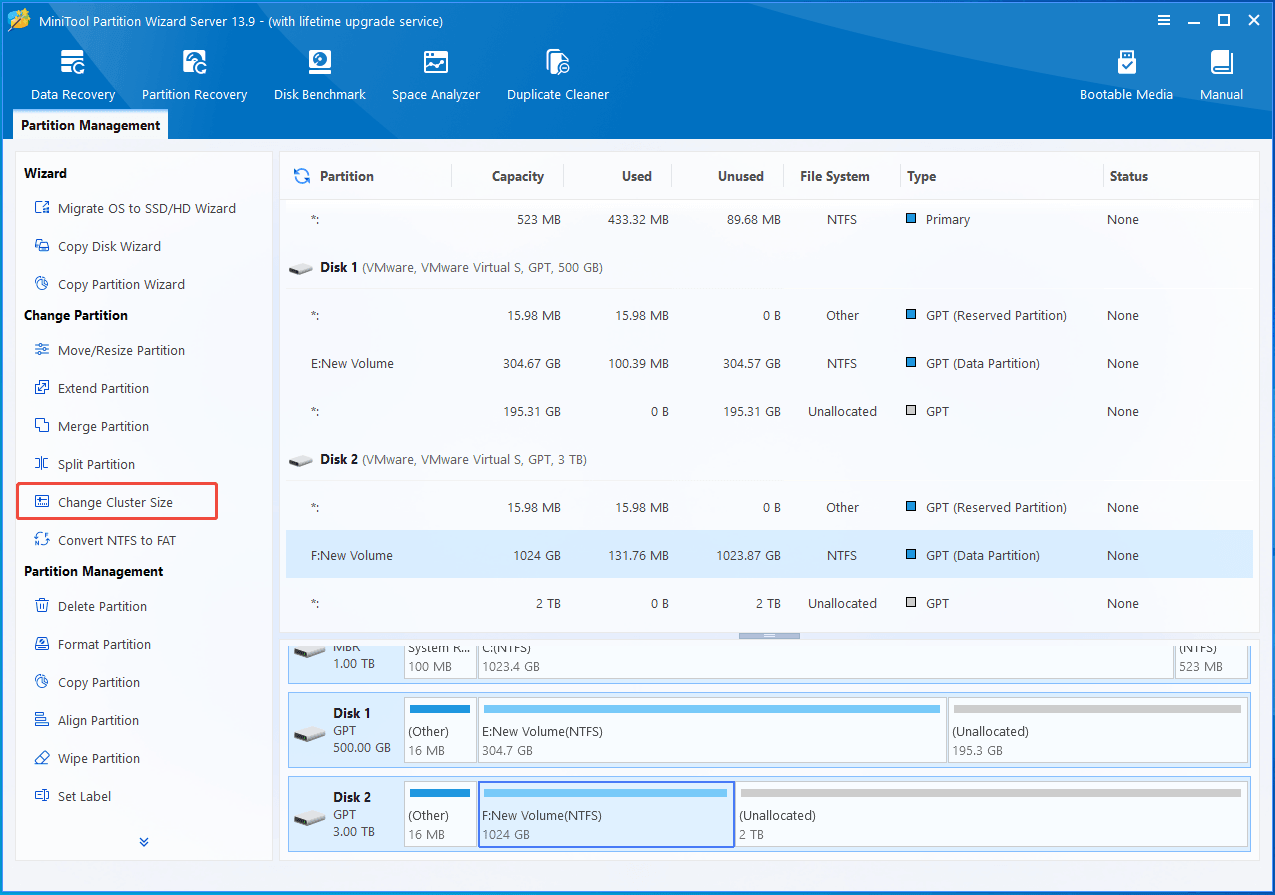
Step 2. Select the server volume that needs to be extended and choose Change Cluster Size from the left action panel.
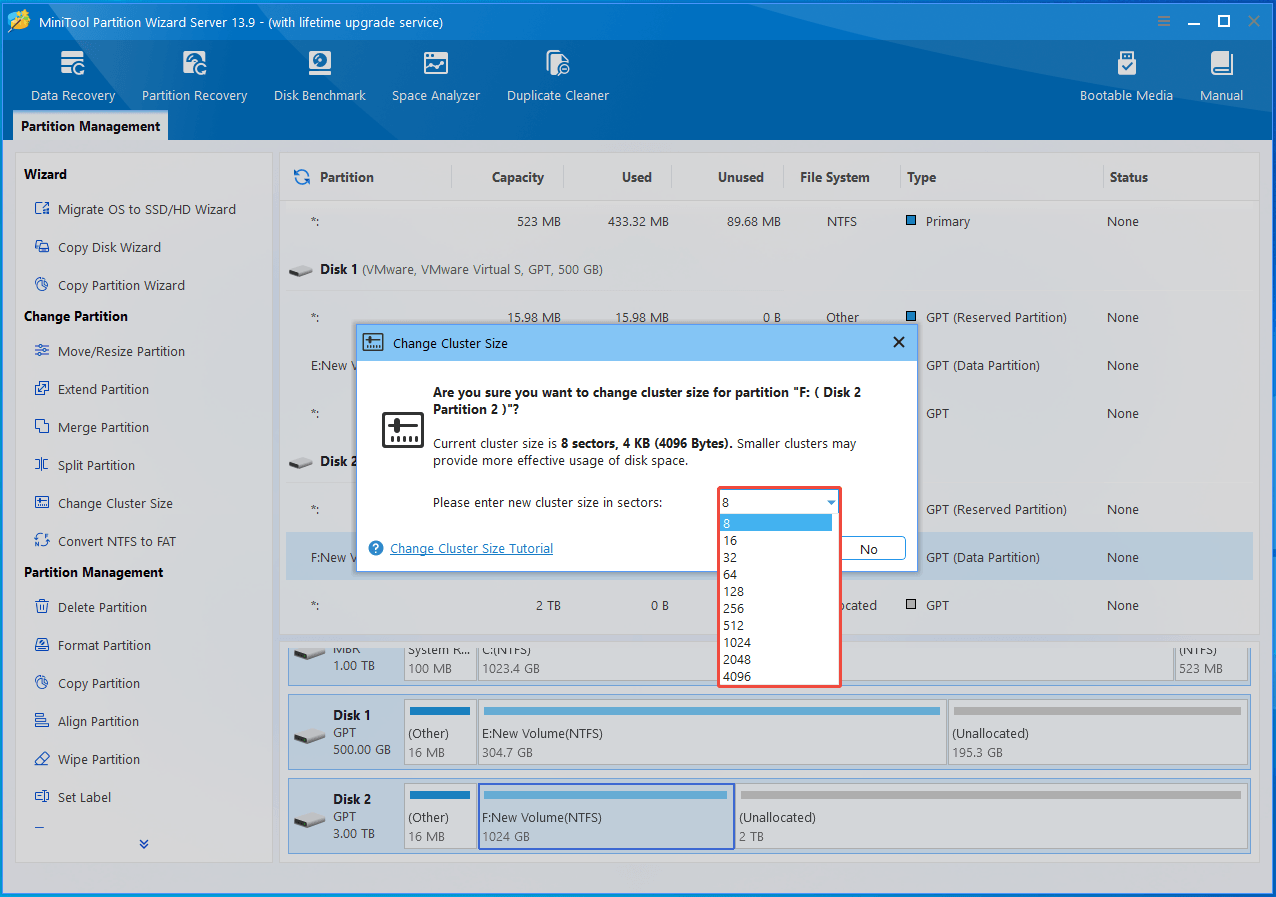
Step 3. In the pop-up window, open the cluster size drop-down list and choose a larger value, then click OK. MiniTool Partition Wizard supports cluster sizes up to 2 MB.
Step 4. Here you are back to the main interface. At this time, click Apply button.
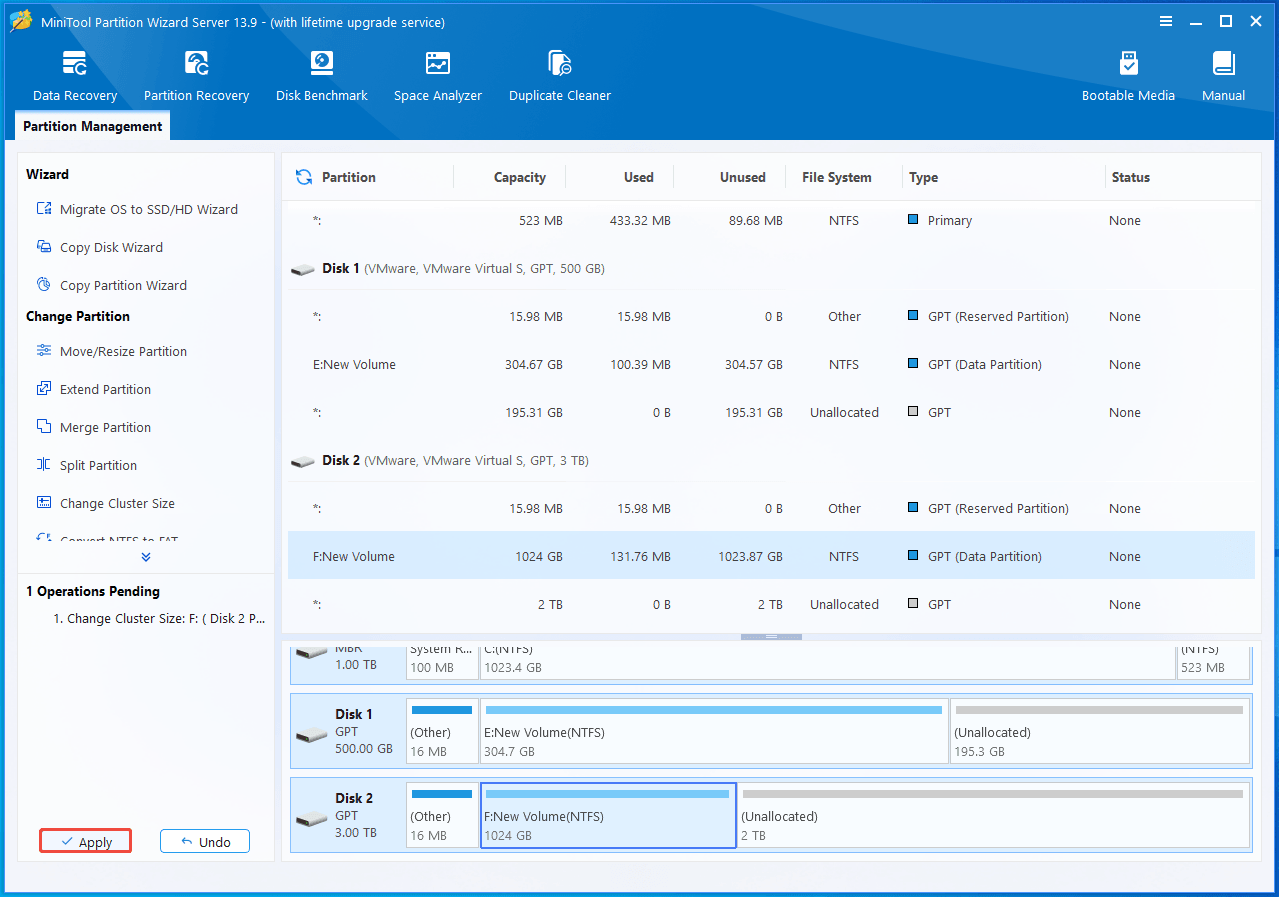
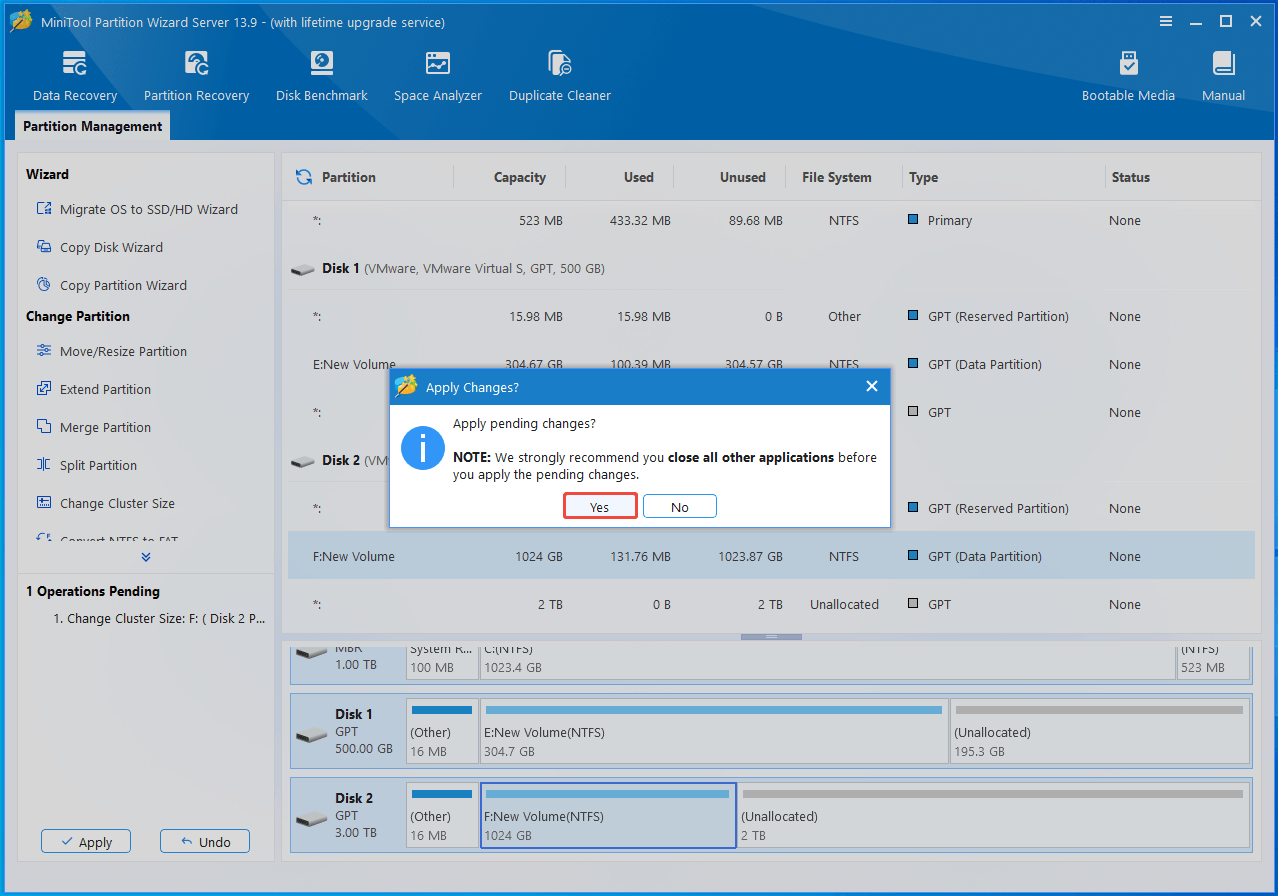
Step 5. You will be asked to confirm whether or not you want to apply the changes. Besides, MiniTool Partition Wizard suggests closing all other applications. You need to agree by clicking Yes. Please wait patiently until MiniTool Partition Wizard Server finishes changing cluster size.
Since you are here, now it is time for you to extend partition Windows server. And you can continue using MiniTool Partition Wizard Server edition. Just keep reading.
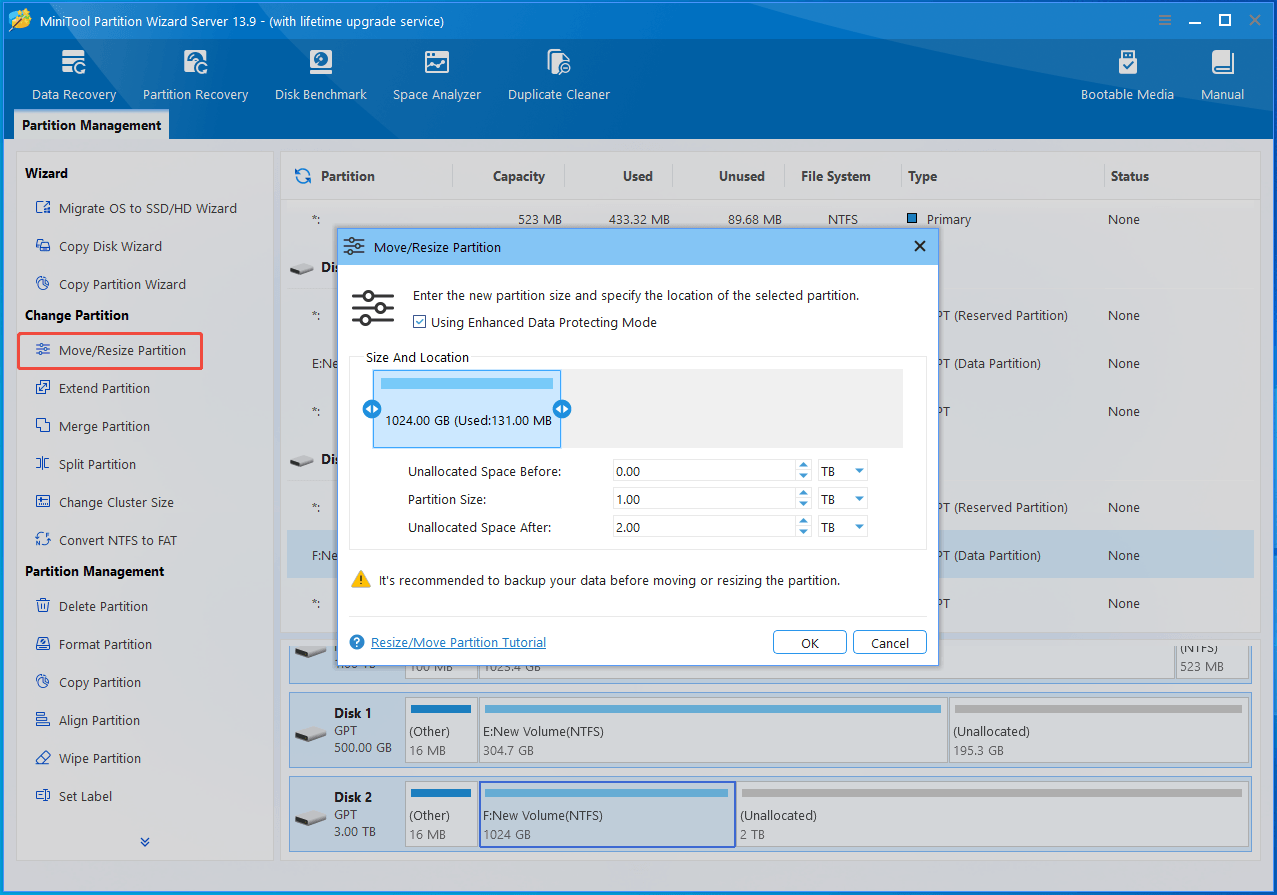
Step 6. Select the partition to be extended and choose Move/Resize Partition (when there is adjacent unallocated space) or Extend Partition (when there is no adjacent unallocated space) to extend partition Windows Server.
Take Move/Resize Partition for example. In the pop-up window, drag the slide bar to cover more free space and then click OK. When you are back to the main interface, click the Apply button.
By using MiniTool Partition Wizard to change cluster size Windows Server, you won’t come across “the volume cannot be extended because the number of clusters will exceed the maximum clusters supported by the file system” error when extending partition in Windows Server.
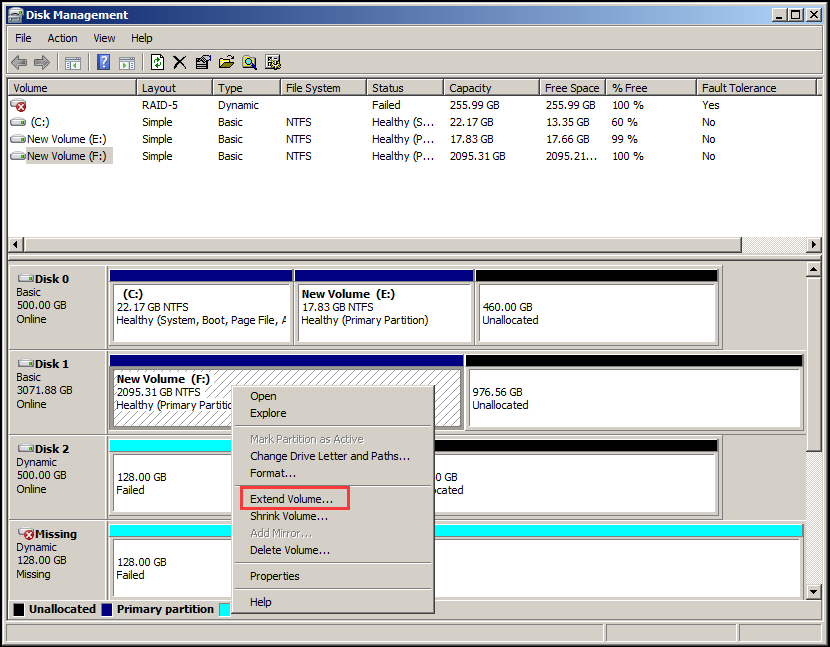
Also, you can go ahead to load Windows Disk Management and use this tool to extend partition Windows Server after you have changed the cluster size. Just right-click the target volume, choose Extend Volume and follow the wizard to finish.
Extend Partition Directly in Partition Wizard
In fact, you do have an easier way to extend partition Windows Server instead of going to change cluster size first. What we say is to use MiniTool Partition Wizard to do the partition expansion. Yes, you are thinking it right. MiniTool Partition Wizard Server helps extend Server partition size directly.
All you need to do is displayed here:
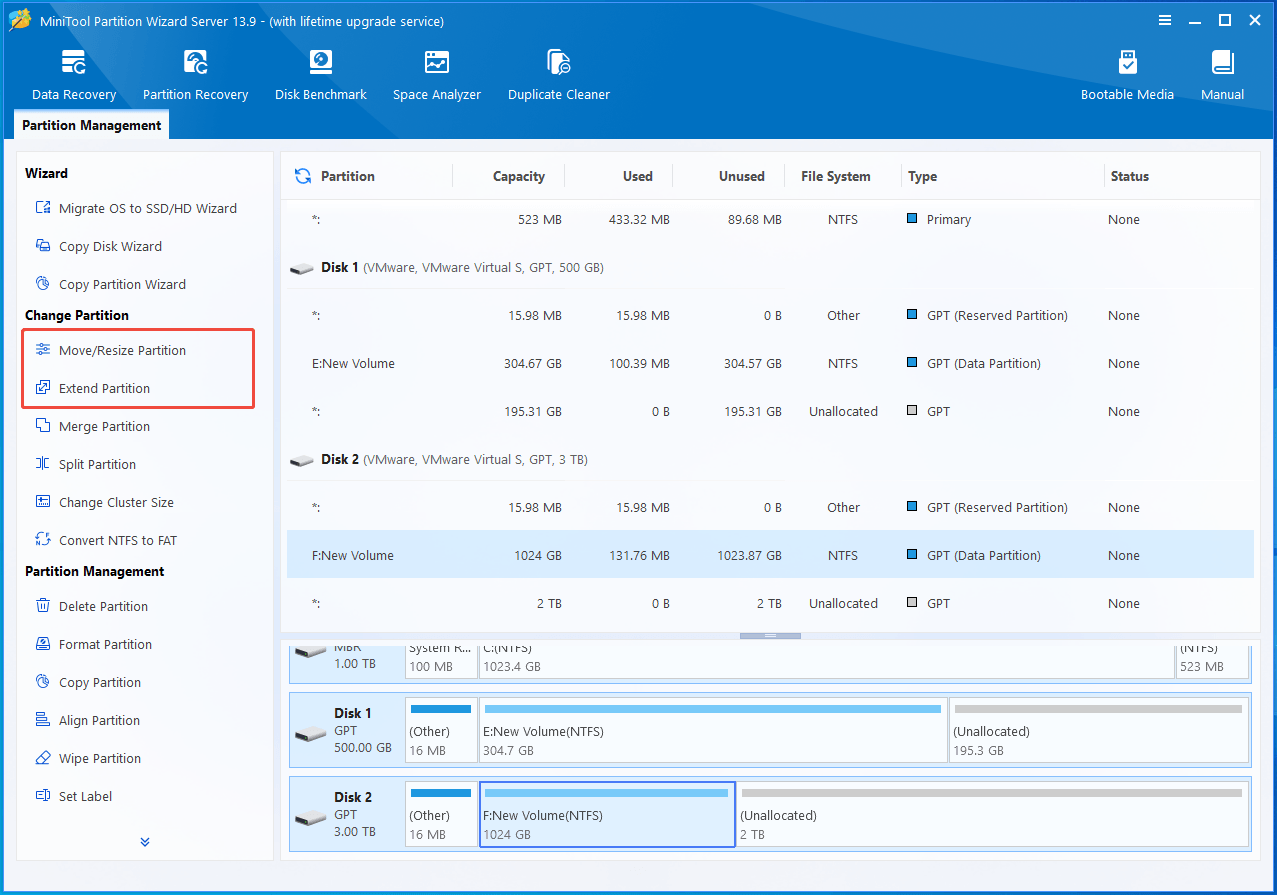
Step 1. Launch MiniTool Partition Wizard Server to get the main interface. Then from the disk map area, select the partition which needs to be expanded and choose Move/Resize Partition or Extend Partition from the action panel.
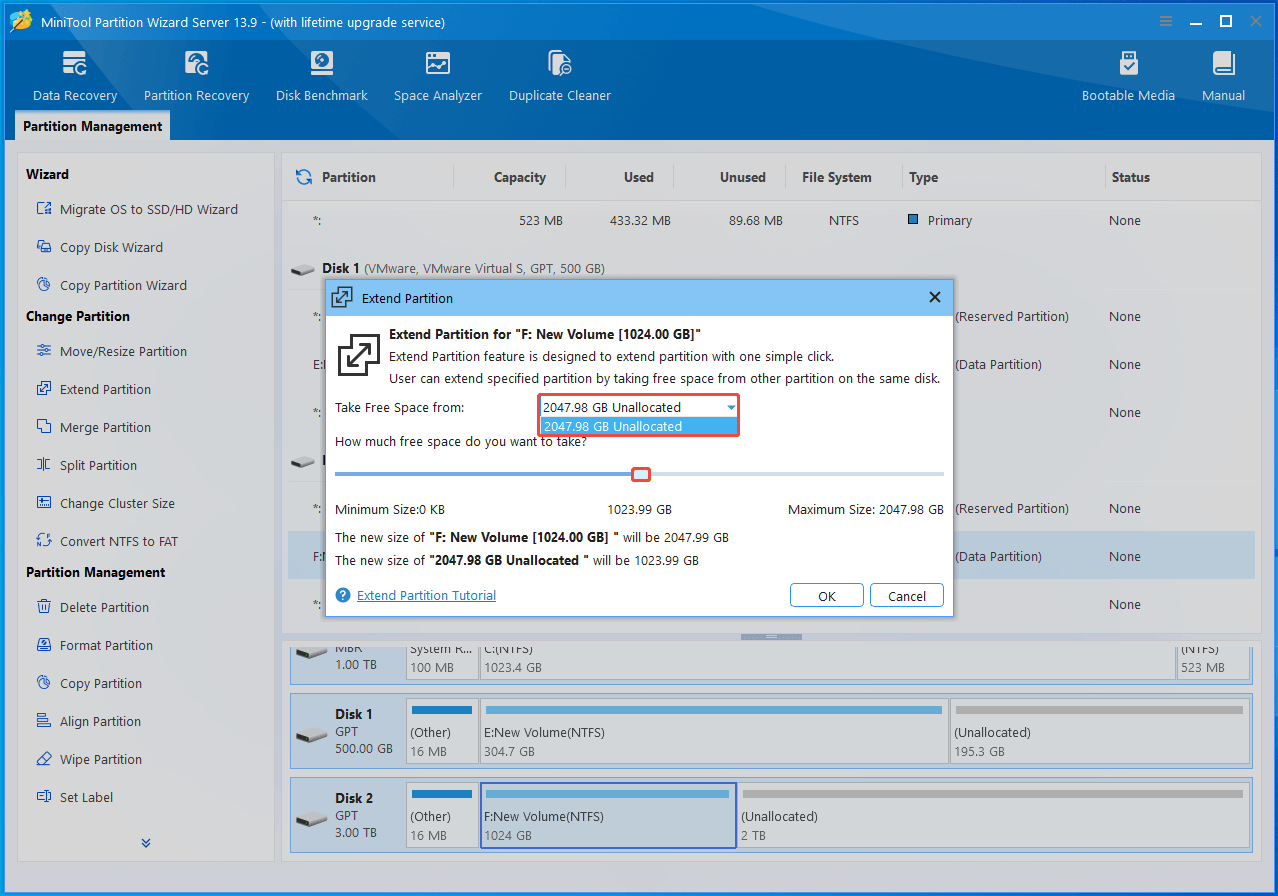
Step 2. Take the later one for example. In the pop-up window, you can drop down the box to select a partition or unallocated space to take some free space from. And, you are able to drag the slider to decide how much free space you want. After that, click OK button.
Step 3. Finally, you need to click the Apply button and go through the rest steps as mentioned in the former part.
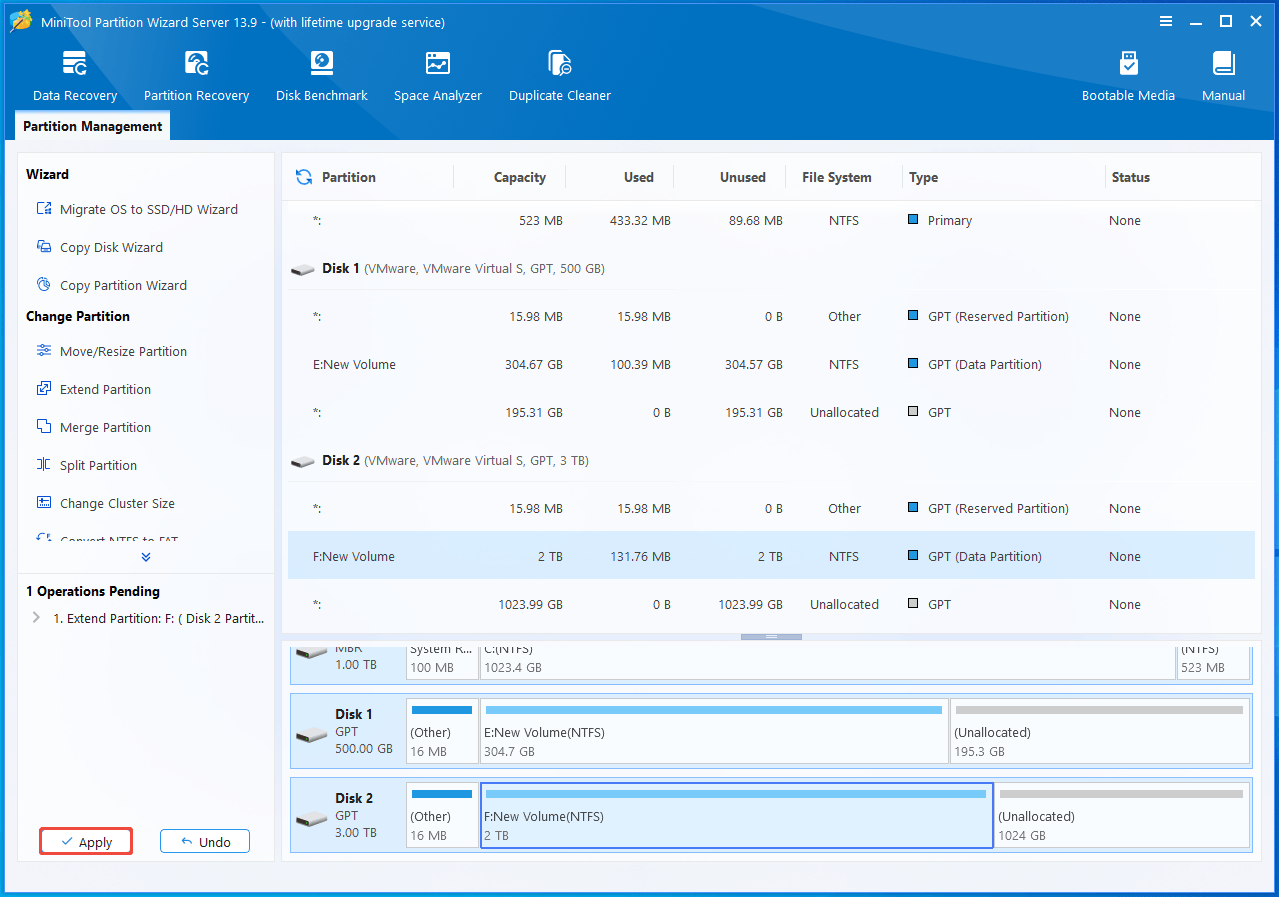
During the extension, MiniTool Partition Wizard will automatically adjust the cluster size and make it possible to extend the server partition without reporting “the volume cannot be extended because the number of clusters will exceed the maximum clusters supported by the file system”.
Now it is your turn to have a try. If you are unable to extend an NTFS volume, don’t hesitate to get MiniTool Partition Wizard Server!
MiniTool Partition Wizard DemoClick to Download100%Clean & Safe
Extend Partition Windows Server in Disk Management
To say the least, if you do not want to rely on MiniTool Partition Wizard Server or any other similar software, you do have the last straw, that is to destroy data inside and then recreate or extend partition Windows Server.
What’s the meaning? Well, two options for you (data backup is required but guess you would not prefer).
Option 1: Delete the Partition and Then Recreate
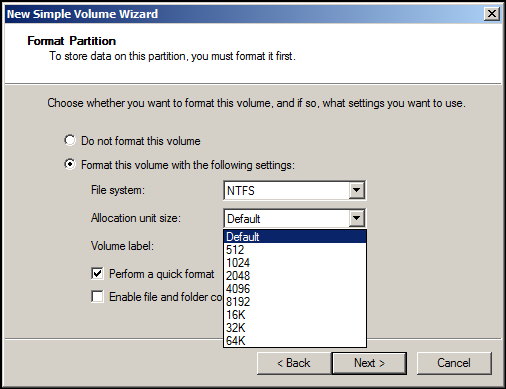
During the process of creating Server partition, you have the chance to change the cluster size. With larger cluster size, you are able to create a larger partition in Windows Server. The steps are: delete partition -> select New Simple Volume feature -> allocate larger cluster size in the wizard -> confirm.
Option 2: Format the Partition and Then Extend
This way also brings data loss. During the process of formatting, you are able to select a larger cluster size and then with the new cluster size you are able to let Disk Management perform partition extension.
The steps are: select the target partition to format -> choose a larger cluster size -> confirm formatting -> select the target partition to extend -> allocated some free space to extend (must have some unallocated space/free space on the adjacent right size of the target primary/logical partition).
By comparison, we can draw a conclusion that using MiniTool Partition Wizard Server to extend partition Windows Server is obviously a better way because it keeps your data safe. With two options provided, you can relax and rely on this software to do all the things good to you.
What Is Cluster Size and Why Does It Affect Volume Size?
A cluster, also called an allocation unit, is the smallest logical unit of disk space used by a file system to store data. One file can occupy multiple clusters, but each cluster can be allocated to only one file at a time.
Cluster size affects storage efficiency and the maximum volume size a file system supports. Smaller clusters are more space-efficient for volumes with many small files, while larger clusters can support larger NTFS volumes but may waste more space.
For NTFS, the maximum volume size depends on the Windows version and cluster size. If the requested volume would require more clusters than the file system supports, Windows cannot extend the volume.
How to Check the Current NTFS Cluster Size
You can check the current NTFS cluster size from an elevated Command Prompt.
Open Command Prompt as administrator and run:
fsutil fsinfo ntfsinfo C:
Replace C: with the drive letter of the target volume. Then find the Bytes Per Cluster value in the output. This value shows the current NTFS cluster size.
NTFS Volume Size and Cluster Size
The following table shows the largest NTFS volume and file size supported for different cluster sizes on supported Windows versions:
| Cluster Size | Largest NTFS Volume and File Size |
| 4 KB | 16 TB |
| 8 KB | 32 TB |
| 16 KB | 64 TB |
| 32 KB | 128 TB |
| 64 KB | 256 TB |
| 128 KB | 512 TB |
| 256 KB | 1 PB |
| 512 KB | 2 PB |
| 1024 KB | 4 PB |
| 2048 KB | 8 PB |
Source: Microsoft Learn — NTFS overview
On Windows Server 2019 and later, supported NTFS configurations can reach up to 8 PB with a 2 MB cluster size. Earlier Windows versions may have lower limits. The actual maximum also depends on the Windows version and cluster size.
Bottom Line
Now you know how to fix the “volume cannot be extended because the number of clusters will exceed the maximum clusters supported by the file system” error.
Increase the cluster size, or extend the partition directly with MiniTool Partition Wizard. Avoid deleting or formatting the volume unless you have a backup.
If you have questions about the software, leave a comment below or contact us at [email protected].
About The Author

Position: Columnist
Charlotte is a technology columnist with a strong focus on the Windows operating system, specializing in disk management, backup, and data recovery. She is passionate about analyzing computer errors, identifying root causes, and delivering practical solutions. In her free time, she stays updated on the latest developments in computer systems and hardware while continuously learning new technologies to broaden her expertise. Her writing style is clear and easy to understand, making complex technical topics accessible even to users with limited computer knowledge.
User Comments :